

Occupational therapists use magic sand — moldable, hydrophobic sensory sand — as a hands-on regulation and fine-motor tool during sessions with autistic and ADHD clients, not as a treatment, but as one input among many in a sensory diet. The material’s unique texture (dry to the touch, yet cohesive enough to mold) lets therapists offer proprioceptive and tactile input without the mess or unpredictability of wet sand or slime. It’s a tool, not a solution — and understanding that distinction matters more than any marketing claim.
Why Texture Matters More Than You’d Think
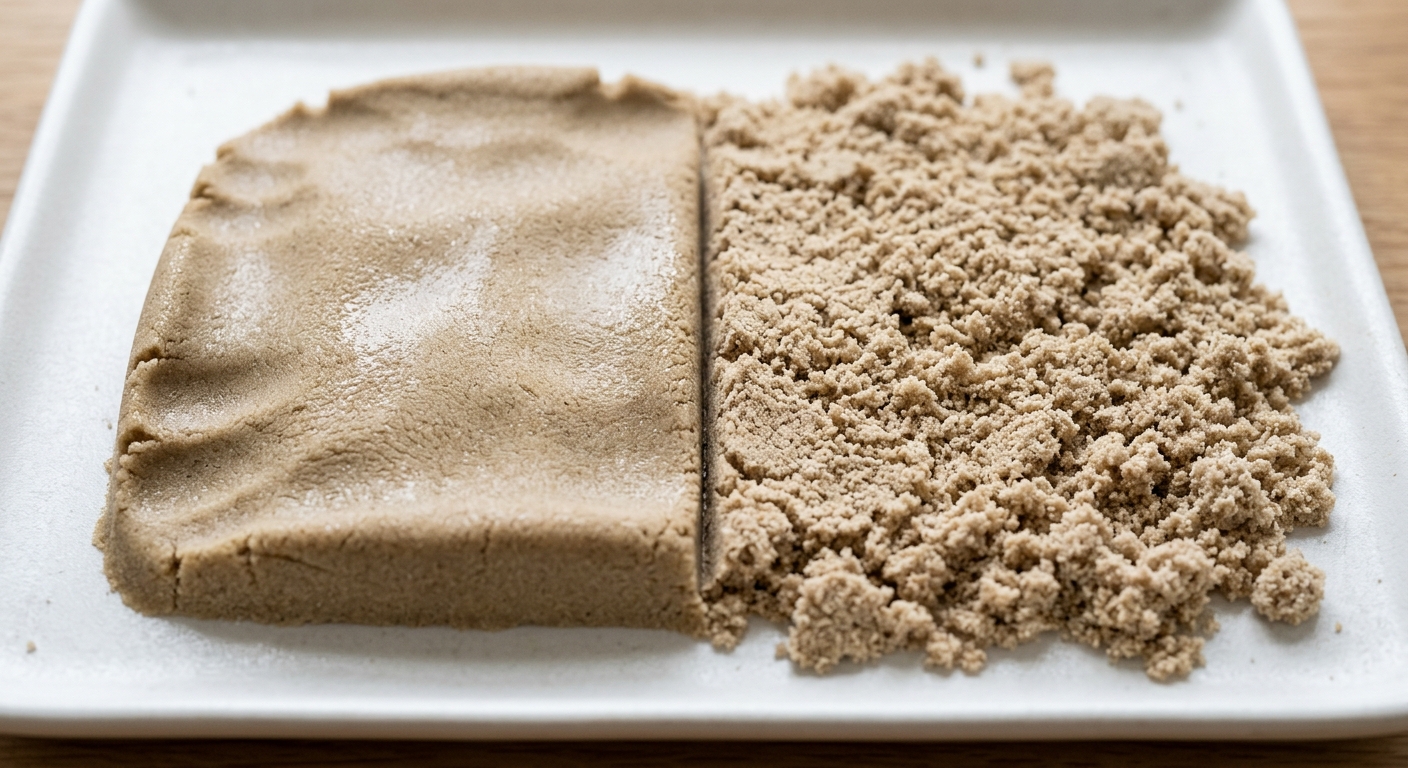
Ask any OT what makes a sensory tool ‘work,’ and texture is usually the first thing they mention. Magic sand sits in an unusual sensory niche: it flows like liquid sand but holds a shape like dough. That combination gives therapists two sensory inputs in one material — the light, granular feel of dry sand and the heavier, resistive feel of molding clay.
For a child who’s under-responsive to touch, the granular flow can provide alerting input. For a child who’s over-responsive, the same sand — pressed into a mold rather than sifted through fingers — can feel calming and predictable. That flexibility is why it shows up in so many different session plans instead of just one type.
The Hydrophobic Factor
Because the sand grains are coated to resist water, the material doesn’t stick to skin the way wet sand or slime does. Therapists working with clients who have tactile defensiveness often start here, since the lack of residue reduces one common source of resistance to hands-on activities. You can read more about the science behind magic sand’s hydrophobic properties if you want the mechanics behind why it behaves this way.
Common OT Applications: What Sessions Actually Look Like
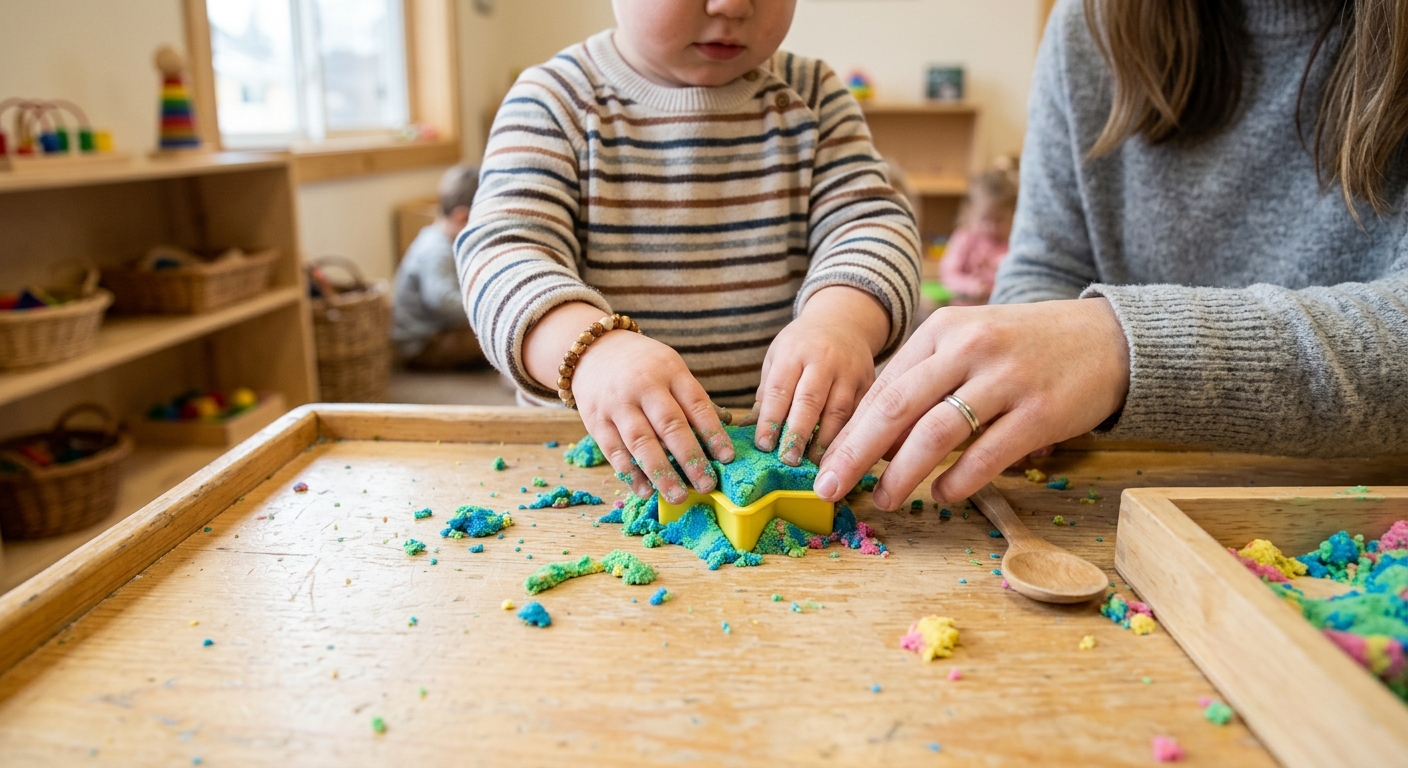
In practice, most sessions don’t involve ‘free play’ with sand. They’re structured around a specific goal. Here’s what that tends to look like:
- Fine motor grading: Squeezing, pinching, and rolling sand to build hand strength and bilateral coordination.
- Regulation breaks: A few minutes of repetitive molding between structured tasks to help a dysregulated child re-center before continuing.
- Graded exposure: Starting with a spoon or tool, then gradually introducing direct hand contact for clients with tactile sensitivities.
- Joint attention practice: Two people building side-by-side, used to support shared focus and turn-taking.
For example, a pediatric OT might begin a session with five minutes of sand molding specifically to bring a client’s arousal level down before starting a handwriting task. The sand isn’t the therapy goal — it’s the on-ramp to the actual goal.
Why Some OTs Prefer Moldable Sand Over Kinetic Sand Alternatives
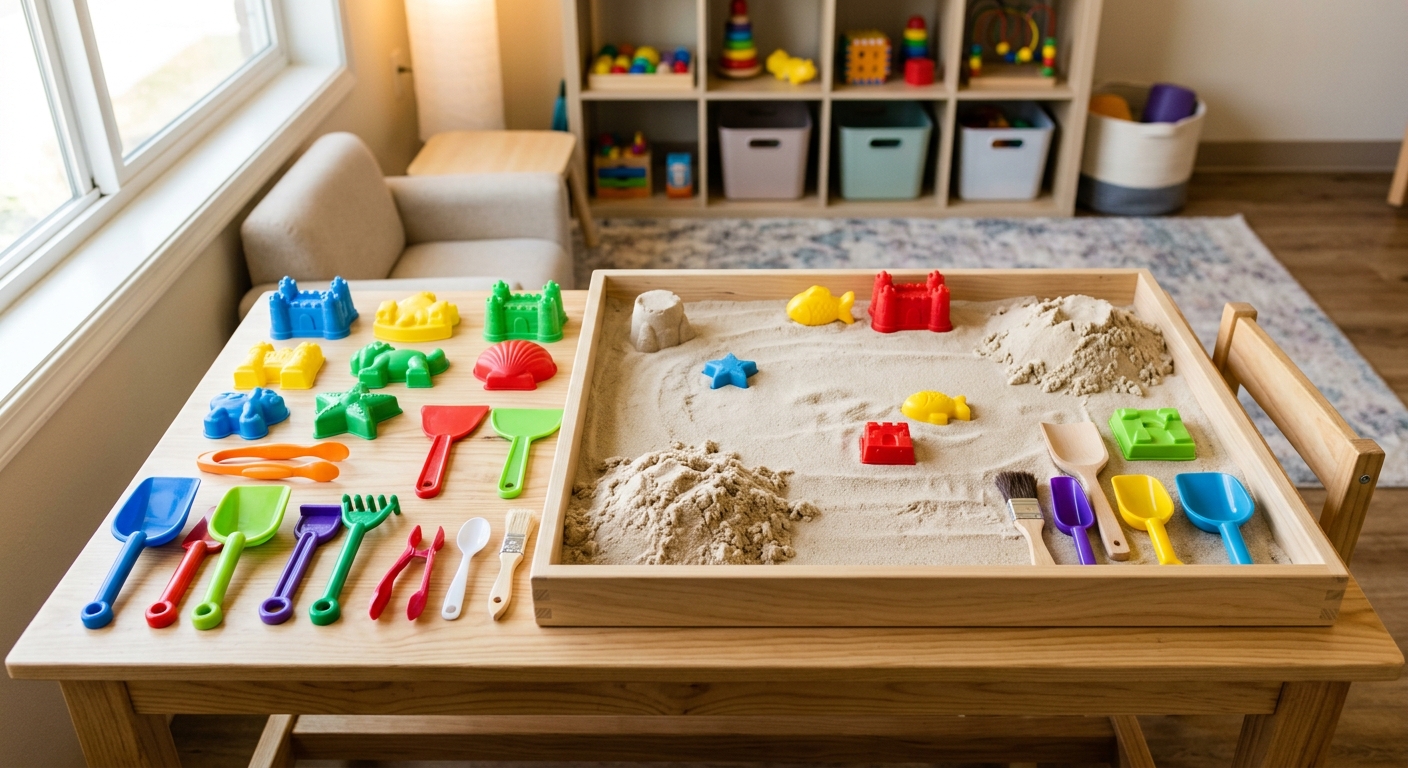
Not all sensory sand behaves the same, and therapists notice the difference fast. Cheaper or lower-quality moldable sand tends to crumble unpredictably or leave a gritty residue, which can actually increase tactile aversion instead of easing it. Consistency of texture — session after session — is what lets therapists build trust with a sensitive client.
This is part of why professionals gravitate toward well-formulated magic sand products rather than generic sandbox sand. A material that behaves the same way every time removes one variable from an already complex session.
A Note on ‘Calming’ Claims
It’s worth being blunt here: no sensory material is universally calming, and no material is appropriate for every diagnosis or every age. Manufacturer descriptions of sand as ‘soothing’ reflect typical user experience, not a clinical guarantee. A good OT treats it the same way they’d treat any sensory tool — trial it, observe the response, adjust.
ADHD-Specific Uses: Attention and Self-Regulation
ADHD sessions tend to look different from autism-focused ones. The goal often isn’t calming — it’s channeling excess energy into something productive while keeping hands and attention engaged during a task that requires listening.
Some therapists give a child a small tray of sand to knead while doing an auditory processing exercise, similar to a stress ball but with more sensory richness. The idea is to occupy the hands’ need for movement so the brain has more bandwidth left for the primary task. This isn’t unique to OT — teachers use the same principle informally, which you can see reflected in sensory play for autism with kinetic sand: 7 calming activities.
What the Evidence Actually Supports
Independent, peer-reviewed research specifically on moldable sand and ADHD attention outcomes is limited. Most of what’s documented is anecdotal or drawn from broader sensory-integration literature, not sand-specific trials. Therapists using it are applying general sensory-integration principles to a specific material — that’s a reasonable clinical judgment call, not a proven protocol.
Setting Up a Sensory Station: Practical Considerations for Clinics and Classrooms
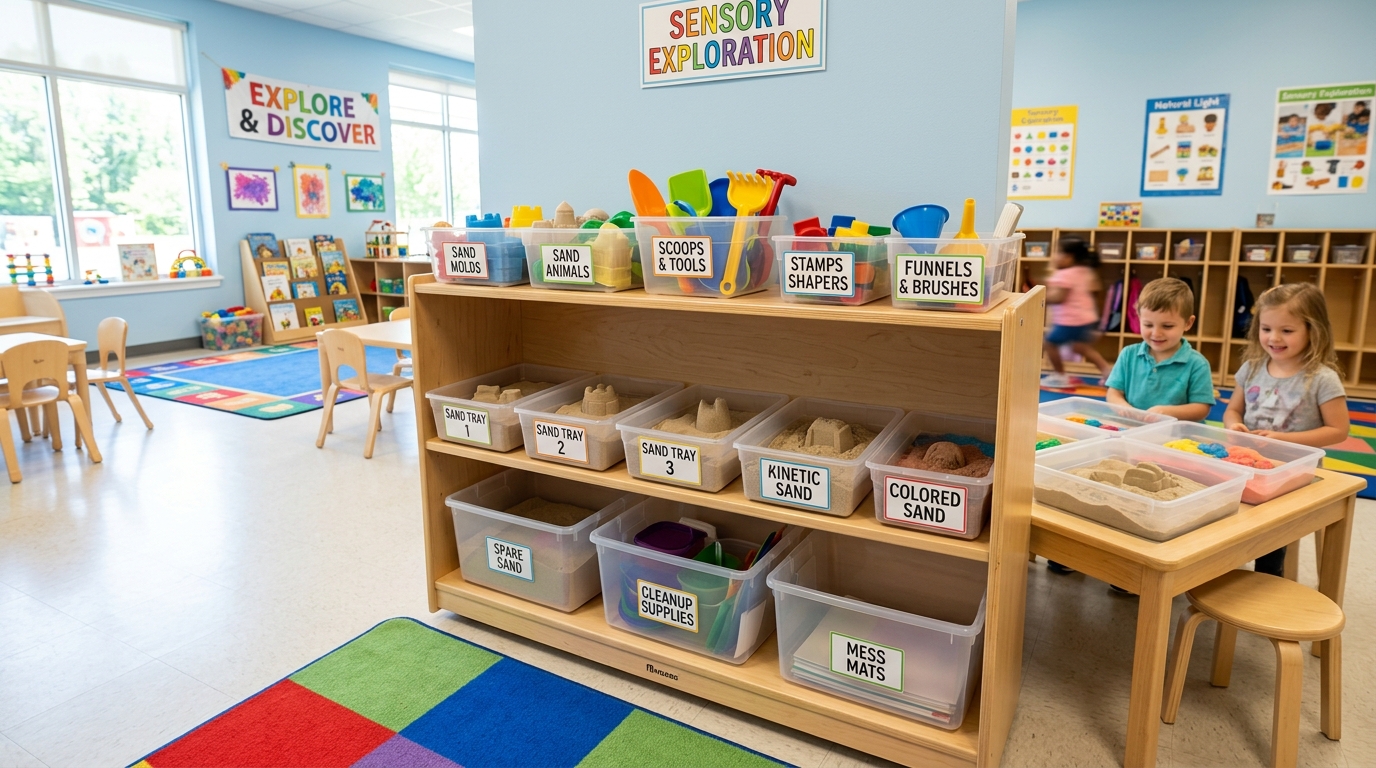
If you’re an OT, teacher, or program coordinator considering adding sand to a sensory station, a few practical details matter more than people expect.
Containment and Cleanup
Because the sand is designed not to stick or crumble into dust the way regular sand does, cleanup is faster — but it still needs a defined tray boundary. Loose sand tracked across a clinic floor is a slip hazard, full stop.
Storage Between Sessions
Sand that dries out or becomes crumbly between uses loses the exact texture qualities that make it useful. If you’re troubleshooting that, the guidance in why does sand dry out? The science behind long-lasting play sand covers the mechanics of moisture loss and how to prevent it.
Age and Supervision
Small glass-bead-based sand components are not appropriate for children who mouth objects, and direct supervision is still necessary regardless of age. This isn’t a product-specific caution — it applies to any small-particle sensory material.
Fine Motor and Bilateral Coordination Goals
Beyond regulation, a lot of OT interest in moldable sand comes down to plain mechanics: the resistance level is adjustable. A therapist can make a task harder by asking a client to use a pincer grip to pick out small objects hidden in the sand, or easier by having them simply flatten and re-mold a shape.
This graded resistance is genuinely useful for building hand strength incrementally — something that’s harder to control with wet clay (too resistant early on) or dry sand (too little resistance at all). For a deeper look at how sand’s texture is engineered to hit that middle ground, see the real recipe for kinetic sand: how magic sand achieves the perfect feel.
What Magic Sand Is Not: Setting Realistic Expectations
It needs saying clearly: magic sand is not a diagnosed treatment for autism or ADHD, and no reputable OT would frame it that way. It’s a sensory input tool used within a broader, individualized therapy plan designed by a licensed professional. Parents researching this topic online should be skeptical of any claim promising developmental outcomes from a single material.
What the material reliably offers is a consistent, controllable sensory experience — that’s valuable on its own, without needing to overstate it. If you’re a parent or caregiver exploring sensory tools outside a clinical setting, how playing with magic sand helps children learn is a more general starting point.