

Play sand dries out because the liquid silicone polymer that binds the grains together slowly migrates, evaporates, or gets contaminated by dust, skin oils, and airborne particles — leaving the silica grains without their ‘glue.’ The speed of drying depends on three factors: ambient humidity, exposure time, and whether the polymer coating is PDMS-based or a hydrophobic silane treatment (magic sand). Understanding this chemistry is the difference between sand that lasts three months and sand that lasts three years.
The Real Reason Sand ‘Dries Out’ Isn’t What You Think
Here’s a surprise: play sand doesn’t actually contain water. So when parents say it “dried out,” they’re using the wrong word — what’s really happening is polymer depletion.
Polymer-bound play sand is typically made from fine silica sand and a small amount of polydimethylsiloxane (PDMS), a silicone-based liquid polymer. PDMS gives the sand its self-flowing, cuttable texture. It isn’t water-based and doesn’t evaporate in the traditional sense at room temperature. But it does migrate — it slowly seeps deeper into the container, coats the walls, sticks to hands, and gets carried off by fabric fibers and dust.
Once the PDMS-to-silica ratio drops below about 1.5%, the sand starts feeling crumbly. Drop below 1%, and it behaves like beach sand. The chemistry behind this is something we break down further in the science behind magic sand.
Humidity: The Silent Killer of Play Sand
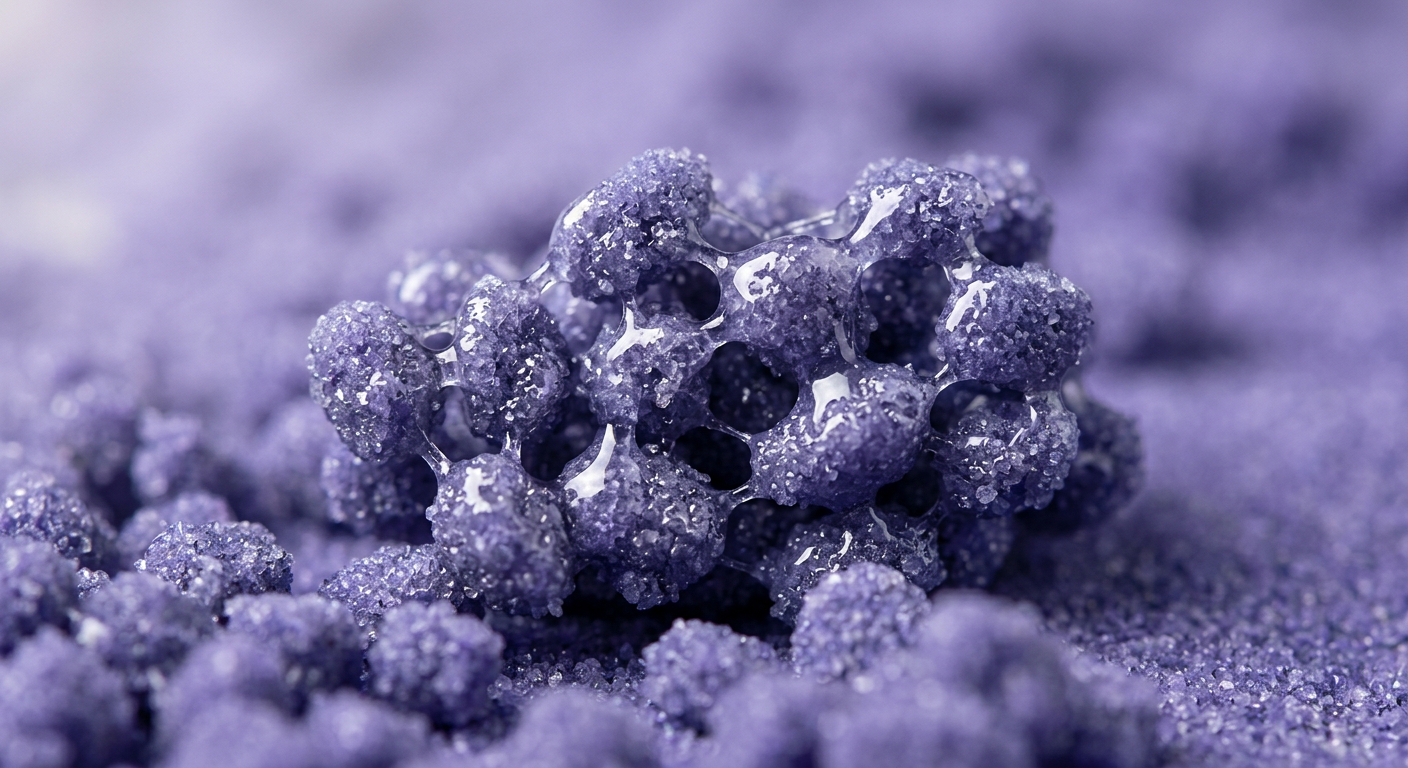
Ambient humidity is the single biggest variable nobody talks about. PDMS polymer has a contact angle with water of around 108°, meaning it repels moisture — but silica sand itself is hygroscopic and grabs water from the air.
In a dry climate (below 30% relative humidity), sand can lose its cohesion within 4–6 weeks of open-air exposure because the polymer film thins as it’s pulled away by static and airflow. In humid climates (above 70% RH), the opposite problem appears: water infiltrates the matrix, the sand clumps into hard chunks, and mold can grow on any organic contaminants within 10–14 days.
The sweet spot is 40–55% RH at 18–22°C. That’s why a sealed container matters more than any fancy additive.
Why Magic Sand and Polymer-Bound Play Sand Age Differently
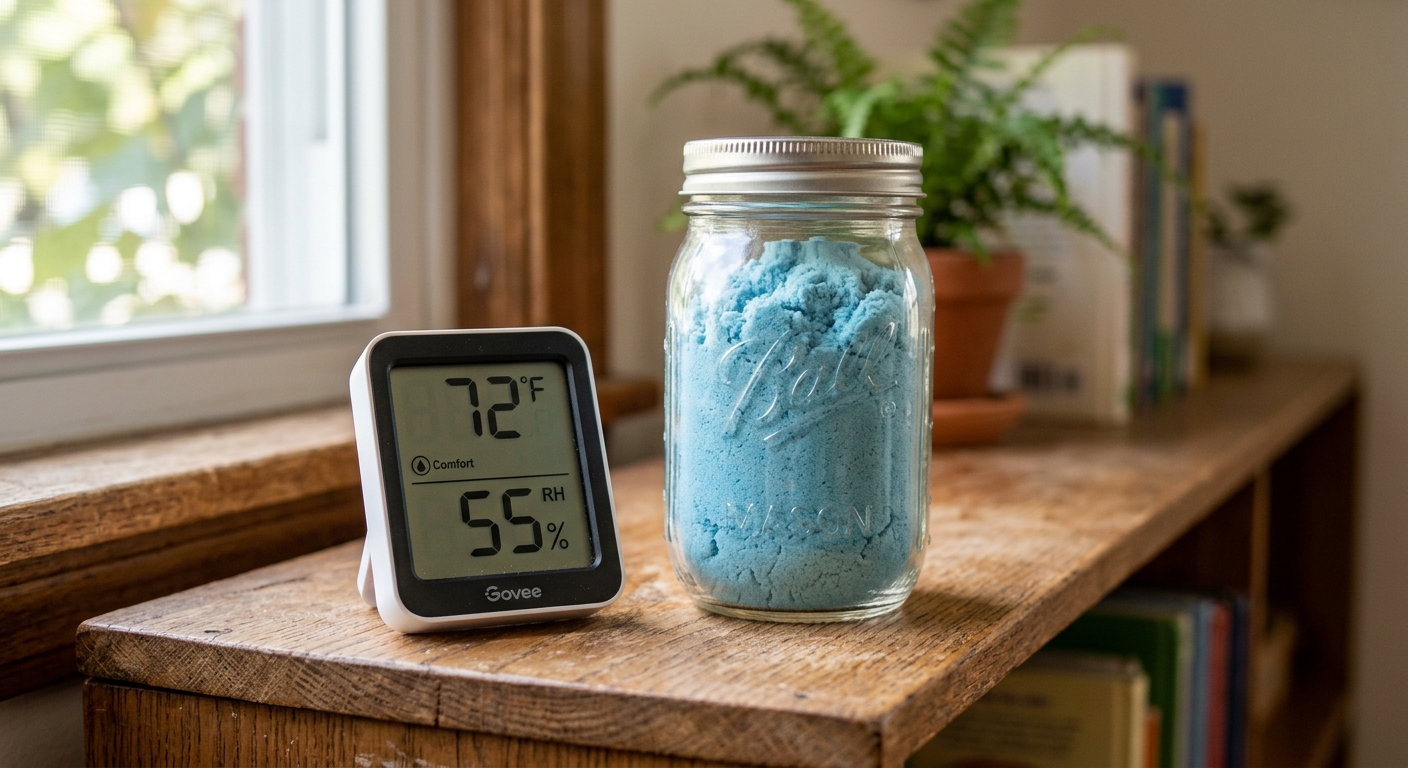
These two products look similar but fail for completely different reasons.
Polymer-bound play sand: polymer loss
Polymer-bound play sand degrades through slow polymer migration. Every time a child squeezes it, a microscopic film of PDMS transfers to their skin. Over 50 hours of active play, roughly 8–12% of the original binder disappears — mostly absorbed into carpet, clothing, or container walls.
Magic sand: coating abrasion
Magic sand uses a hydrophobic silane coating bonded to each silica grain. It’s designed to be submerged in water forever without getting wet. But the coating itself is only 20–50 nanometers thick. Rough handling, sharp tools, or sand-on-sand grinding can abrade it, and once grains lose their coating they sink and stay wet.
For a deeper side-by-side, we’ve written a full breakdown of magic sand and polymer-bound play sand that covers performance differences in detail.
The Five Environmental Factors That Accelerate Drying
Not all playrooms are equal. Here are the culprits ranked by how much damage they do.
- Direct sunlight — UV breaks down PDMS chains. Two weeks on a sunny windowsill can do more harm than a year in a closet.
- Heat above 40°C (104°F) — Accelerates polymer viscosity changes. Sand stored in a hot car loses its stretch permanently.
- Dust and lint — Fine particles absorb the polymer like a sponge. One play session on a dusty rug can contaminate an entire batch.
- Skin oils and lotions — Sunscreen is particularly destructive because its UV filters bond with silicone.
- Food crumbs — Introduce organic material that triggers bacterial growth within 72 hours in humid environments.
For instance, a daycare in Arizona we supplied switched from open play bins to sealed silicone-gasket containers after noticing their sand lasted 8 weeks instead of the expected 18 months. The fix cost $40. The lesson was priceless.
How to Revive Sand That’s Already Gone Crumbly
Don’t throw it out. Most “dry” polymer-bound play sand can be restored to 80–90% of its original feel in under five minutes.
The water method
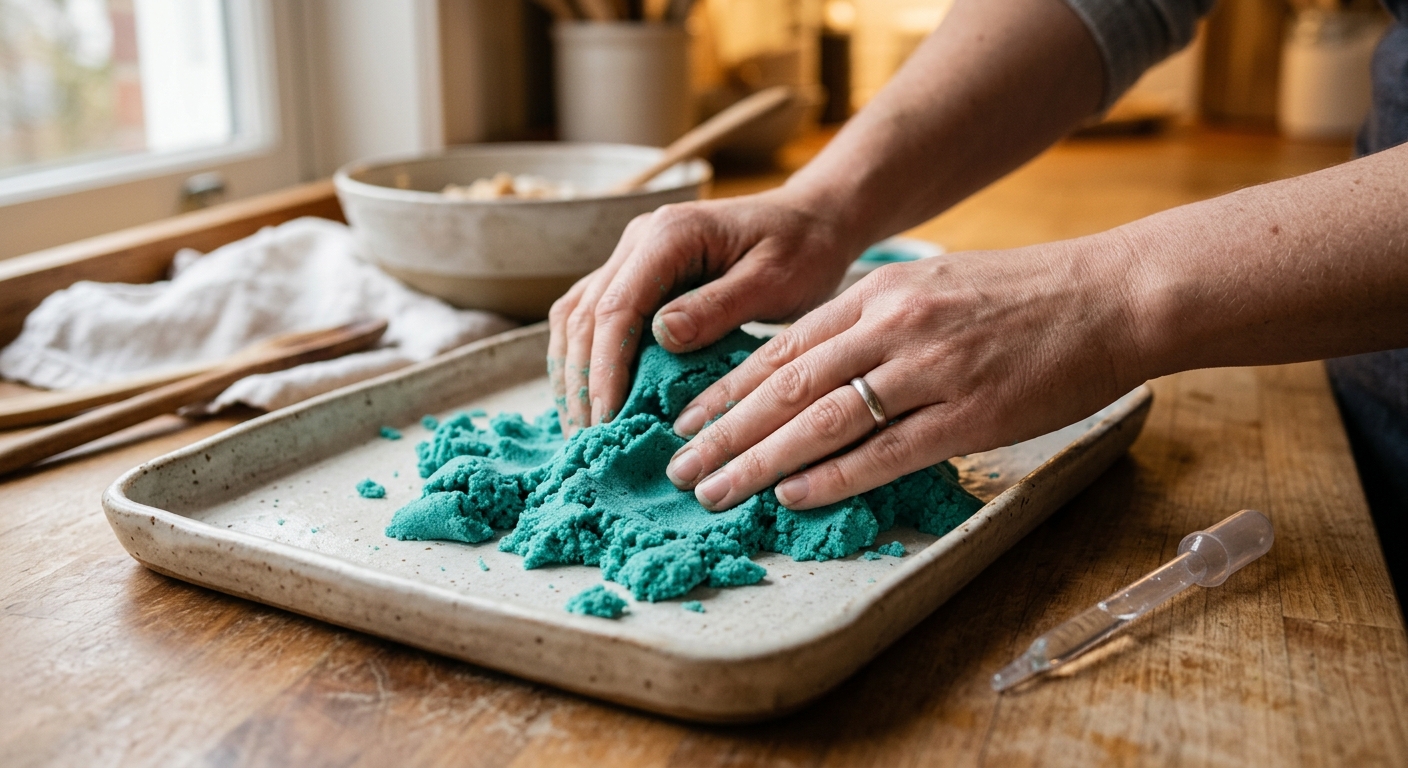
Add 1 teaspoon of distilled water per 500g of sand. Knead thoroughly for 2–3 minutes. Distilled is key — tap water contains minerals that leave residue. This works because the trace water temporarily increases surface tension between grains, mimicking the polymer’s binding effect. It lasts about 2–4 weeks.
The glycerin method (longer-lasting)
Mix 1/4 teaspoon of food-grade glycerin with 1 teaspoon of distilled water, then knead into 500g of sand. Glycerin is hygroscopic and holds moisture in the matrix for 2–3 months.
The polymer top-up
For bulk users like retailers and schools, food-grade PDMS (5–10 cSt viscosity) can be added at 0.5% by weight. This is closer to the approach we describe in our custom formulation service.
Storage Design: Why Container Choice Matters More Than Brand
We’ve stress-tested dozens of storage options. The results are unambiguous.
Best: Rigid polypropylene containers with silicone gaskets (like food-grade meal prep boxes). They block 99.6% of moisture exchange over 12 months.
Good: Heavy-duty zip bags, double-sealed. About 94% moisture retention.
Mediocre: Original retail packaging. Designed for shelf life, not repeated opening.
Bad: Cardboard boxes, fabric bags, or any container stored near a heating vent.
A practical example: a preschool chain that buys from us switched from the original plastic tubs to stackable 1.5L airtight kitchen containers. Their annual sand replacement cost dropped by 62%. They also labeled each container by color so teachers could rotate batches — a small operational tweak that extended usable life significantly.
What Manufacturing Quality Has to Do With It
Not all polymer-bound play sand is engineered equally, and cheap sand dries out dramatically faster. The culprits are:
- Grain size inconsistency — Budget brands skip the 0.3mm silica grading step. Mixed grain sizes create voids where polymer pools instead of coating evenly.
- Lower-grade PDMS — Industrial PDMS with volatile siloxane content (D4, D5, D6) evaporates faster than pharmaceutical-grade polymer.
- Skipped degassing — Air bubbles trapped during mixing accelerate oxidation of the polymer film.
Factories that cut these corners produce sand with a usable life of 2–4 months. Properly manufactured sand lasts 3+ years in sealed storage. If you’re sourcing at volume, we cover quality signals to look for in how to choose the best play sand supplier, and for brand owners we handle custom formulations through our OEM ODM program.
Quick Diagnostic: Is Your Sand Actually Dry, or Just Cold?
Before reviving or replacing sand, check for a frequently misdiagnosed problem: temperature stiffness.
PDMS viscosity roughly doubles for every 10°C drop in temperature. Sand stored in a cold garage at 5°C feels stiff, crumbly, and “dry” — but it’s completely fine. Let it sit at room temperature for 2 hours and it returns to normal.
Here’s the test: press and roll a golf-ball-sized lump between your palms for 30 seconds. Body heat warms it to play temperature. If it becomes soft, pliable, and holds a shape, the sand is healthy. If it stays crumbly after warming, then the polymer is genuinely depleted and needs reviving.
Keeping Play Sand Alive for the Long Haul
The takeaway: sand doesn’t die, it gets neglected. Store it in a gasket-sealed container at moderate humidity, keep it away from sunscreen and sunlight, and revive it with a teaspoon of distilled water or glycerin when it starts feeling crumbly. With those habits, a quality batch of polymer-bound play sand or magic sand outlasts most toys in the house.
If you’re sourcing for a store, school, or your own brand and want sand engineered for shelf stability rather than 3-month turnover, explore our full magic sand range or get in touch to discuss custom formulations built for your climate and use case.